The
History

A word, a leaf, and the port that carried both.

A Word Carried by Sea

I. The Name

A Word Carried by Sea

Before the world knew the word tea, it knew the tea of southern China.

The hills of Fujian produced leaves that were sought far beyond China. Along the coast, Hokkien merchants gathered them for trade and carried them through the ports of Asia. Nearby, the Teochew made tea into an exacting daily art, giving close attention to the leaf, the water and the hand that brewed it.

When Dutch merchants came looking for tea, they heard the word used around the southern ports. There, 茶 was not cha, but tê. They wrote it as thee and carried it home with the leaf.

The word travelled as the tea did. It became thé in France, Tee in Germany and tea in England. Across the Nanyang, it became teh, the word still heard every day in Singapore.

Tei returns to that beginning. To the people who knew tea closely, to the ports that carried it outward, and to the word that travelled with it.
When Tea Was Worth Keeping

II. The Why

When Tea Was Worth Keeping

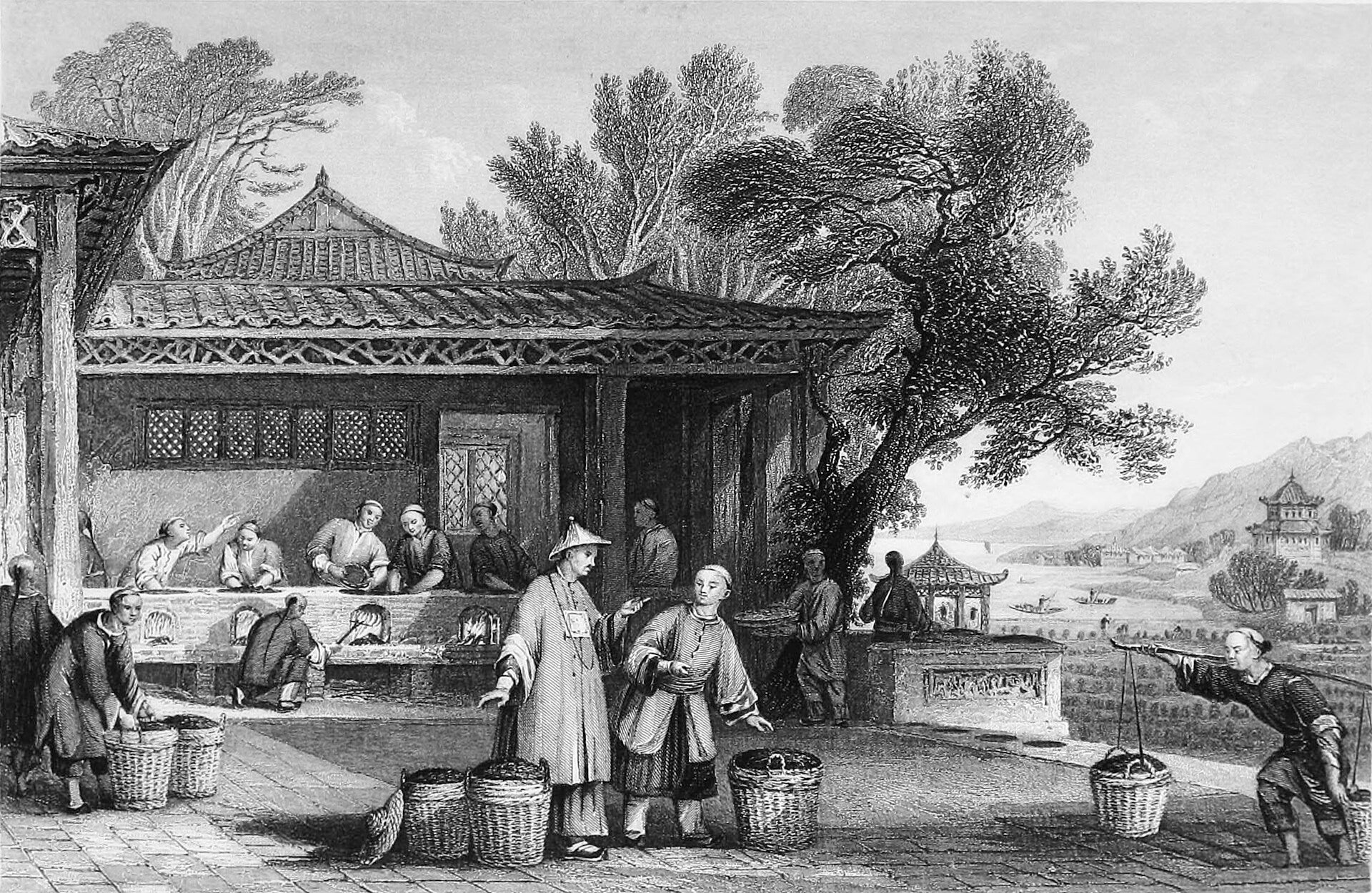
Long before tea became an everyday commodity, China supplied much of the tea consumed beyond its borders.

Ships left Chinese ports carrying teas sold under names such as Bohea, Congou, Souchong and Hyson. They travelled by sea to markets across Southeast Asia, Europe and America. Tea was prized and heavily taxed, while China's tea trade drew large quantities of silver from abroad.

Industrialisation changed the way much of the world produced and drank tea. Large plantations, mechanised processing and standardised blends made it affordable, consistent and widely available. Later came tea bags, flavourings and ready-to-drink tea. These developments brought tea to more people, but they also changed what people expected from it.

Consistency became more important than character. Convenience mattered more than provenance. Tea was expected to taste the same each time, even though tea itself is an agricultural product shaped by mountain, cultivar, weather, harvest and craft.

After generations of drinking tea this way, many of us were never given the chance to know it differently.

Tei begins with that gap. We source teas with a clear origin, keep their year visible and present each one as an individual expression of its place. Not to recreate the past, but to restore the attention that good tea once received.

That attention takes time. A tea reveals its character gradually, from one infusion to the next. Learning to notice those differences is part of the pleasure.

That is the purpose of Tei: to make good tea worth keeping again.

Tea Passed Through Here

III. The Port

Tea Passed Through Here

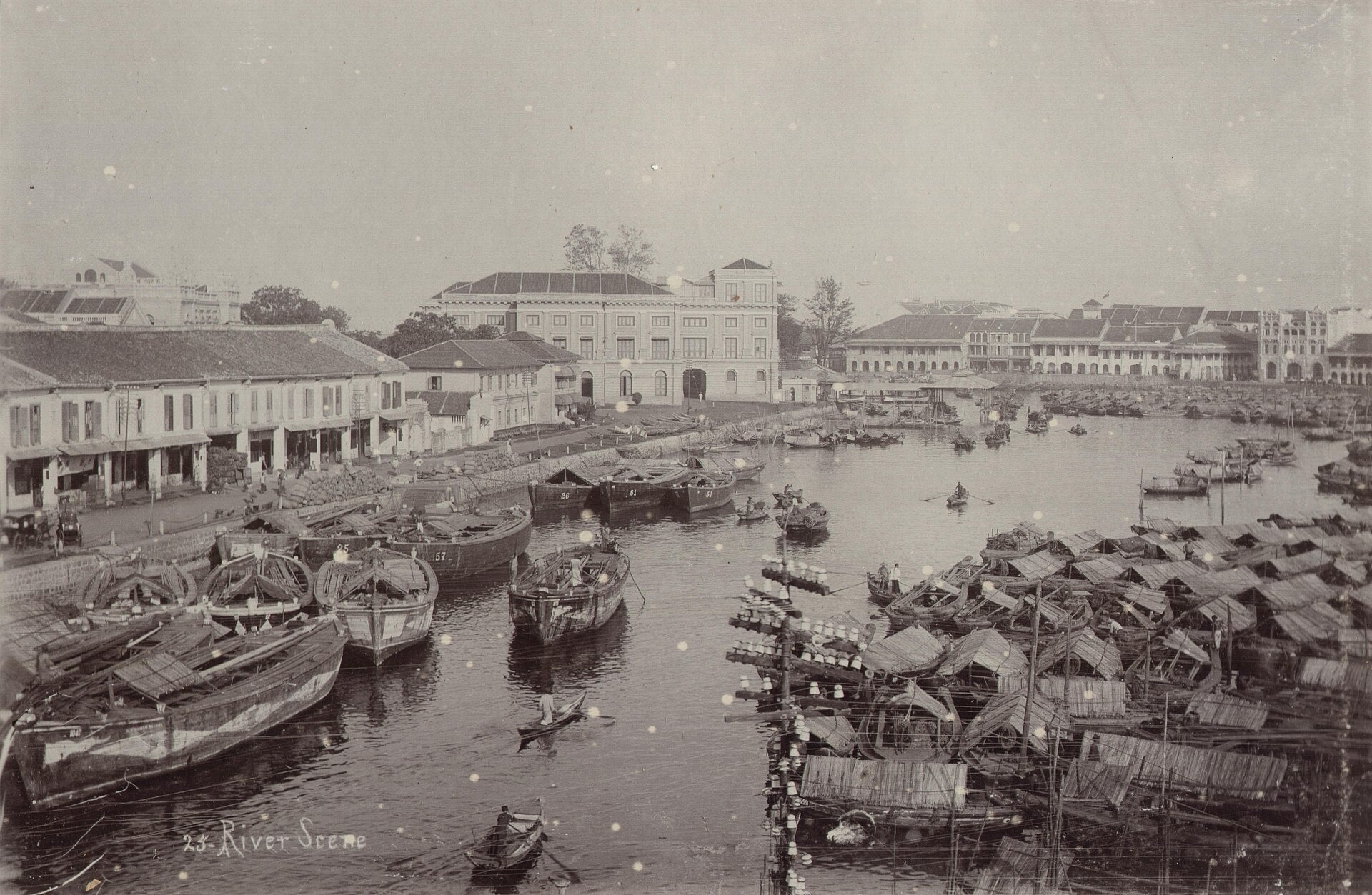
For much of the twentieth century, Chinese tea bound for Southeast Asia came through Singapore.

It arrived at the port, passed through the hands of local merchants and left again for communities across the Nanyang. By the 1960s, Singapore had more than a hundred tea businesses. Its merchants had kept their own guild since 1928.

But not all the tea left.

It was poured in coffee shops, clan associations and family homes. It sat beside bak kut teh. Every community brought the tea it knew and drank it in its own way. Singapore became a tea place without ever needing to call itself one.

Some tea stayed for much longer. Merchants and collectors kept it, watched it change and learned what time could bring to a leaf. That knowledge still lives here, in old shops, private collections and the people who remember.

Tei begins with that old Singapore instinct. Find tea worth keeping. Know its place and its year. Look after it. Then pass it on.